
The modern workplace is evolving faster than ever. Traditional office setups with fixed desks and rigid schedules are gradually giving way to more adaptable and dynamic environments. Businesses today need flexibility, scalability, and efficiency—and that’s where Flex Office Space strategies come into play. Whether it’s a growing startup, a remote-first company, or an established enterprise, organizations are rethinking how they use Office Space to meet changing demands.
From collaborative zones to creative Loft Office Spacedesigns, flexible environments are reshaping how teams interact, innovate, and perform. This article explores the key strategies driving this transformation and how they are redefining work environments.
What Is Flex Office Space?
Flex Office Spacerefers to work environments designed to adapt to different business needs. Unlike traditional offices, these spaces allow companies to scale up or down, adjust layouts, and choose how and where employees work.
Common features include:
- Shared workspaces and coworking areas
- Private offices with flexible leases
- Hot-desking and activity-based work zones
- Hybrid-ready infrastructure
This adaptability makes Flex Office Space ideal for companies navigating uncertainty, growth, or changing workforce expectations.
The Shift from Traditional to Flexible Office Space
Traditional Office Space models often involve long-term leases, fixed layouts, and limited customization. While this worked in the past, today’s businesses require more agility.
Here’s why companies are moving toward flexible solutions:
1. Changing Workforce Dynamics
Remote and hybrid work models have become the norm. Employees expect the freedom to choose where and how they work, making flexible environments essential.
2. Cost Efficiency
Leasing large offices that remain partially unused is no longer practical. Flex Office Space allows businesses to pay only for what they need.
3. Faster Scaling
Startups and growing companies can quickly expand without relocating or committing to long-term leases.
Key Flex Office Space Strategies
To truly benefit from flexibility, businesses must adopt strategic approaches to designing and managing their Office Space.
1. Activity-Based Work Zones
Instead of assigning fixed desks, companies are creating zones tailored to specific tasks:
- Quiet areas for focused work
- Collaboration zones for teamwork
- Lounge spaces for informal meetings
This approach enhances productivity by aligning the workspace with the nature of the work.
2. Hybrid Work Integration
Hybrid work is now a standard model. Effective Flex Office Space strategies support seamless transitions between remote and in-office work.
Key elements include:
- Cloud-based collaboration tools
- Video conferencing-ready rooms
- Booking systems for desks and meeting spaces
A well-integrated hybrid setup ensures employees stay connected regardless of location.
3. Modular and Scalable Design
Flexibility in design is crucial. Modular furniture, movable partitions, and adaptable layouts allow businesses to reconfigure their Office Space as needs change.
For example:
- Expanding team areas during growth phases
- Creating event spaces when needed
- Adjusting layouts for new workflows
4. Incorporating Loft Office Space Concepts
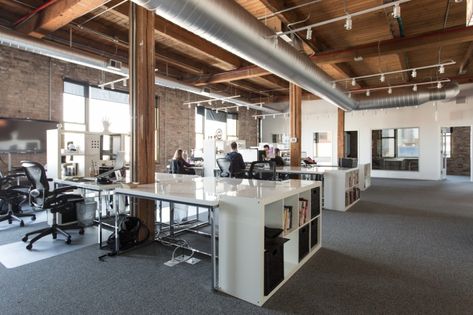
Loft Office Space is gaining popularity due to its open layout, high ceilings, and industrial aesthetic. These spaces naturally support flexibility and creativity.
Benefits of Loft Office Space include:
- Open floor plans for easy reconfiguration
- Enhanced natural light for employee well-being
- A creative atmosphere that fosters innovation
By blending Loft Office Space elements with flexible strategies, companies can create inspiring and functional environments.
5. Technology-Driven Workspaces
Modern Flex Office Space relies heavily on technology. Smart office solutions improve efficiency and user experience.
Examples include:
- IoT-enabled lighting and climate control
- Occupancy sensors for space optimization
- Digital booking systems for desks and rooms
Technology helps organizations make data-driven decisions about their Office Space usage.
6. Employee-Centric Design
Today’s workplaces are designed with employee well-being in mind. Comfortable, engaging environments lead to higher productivity and satisfaction.
Important considerations:
- Ergonomic furniture
- Wellness rooms and relaxation areas
- Access to natural light and greenery
A thoughtful Flex Office Space strategy prioritizes the needs of employees while supporting business goals.
Benefits of Flex Office Space Strategies
Adopting flexible strategies offers several advantages for businesses of all sizes.
Increased Productivity
Employees perform better in environments tailored to their tasks. Flexible layouts reduce distractions and enhance focus.
Improved Collaboration
Open and adaptable spaces encourage interaction and idea-sharing among team members.
Cost Optimization
Businesses can reduce overhead costs by using Office Space more efficiently.
Enhanced Agility
Companies can quickly adapt to changes, whether it’s scaling operations or shifting to remote work.
Talent Attraction and Retention
Modern, flexible workplaces are more appealing to today’s workforce, helping companies attract and retain top talent.
Challenges and How to Overcome Them
While Flex Office Space offers many benefits, it also comes with challenges.
1. Space Management Complexity
Without proper systems, flexible environments can become chaotic.
Solution: Implement digital booking tools and clear policies.
2. Maintaining Company Culture
Remote and hybrid setups can weaken team connections.
Solution: Design spaces that encourage collaboration and regular in-person interactions.
3. Initial Setup Costs
Transitioning to flexible layouts may require investment.
Solution: Focus on scalable solutions that provide long-term savings.
The Role of Loft Office Space in Modern Workplaces
Loft Office Space plays a significant role in shaping modern work environments. Its open design aligns perfectly with flexibility, making it a preferred choice for creative industries and startups.
These spaces:
- Encourage collaboration through open layouts
- Provide a unique aesthetic that reflects brand identity
- Offer versatility for different work styles
By integrating Loft Office Space into broader Flex Office Space strategies, businesses can create environments that are both functional and inspiring.
Future Trends in Flex Office Space
The evolution of Office Space is far from over. Several trends are expected to shape the future:
1. Increased Demand for Hybrid Solutions
Flexible work models will continue to dominate, requiring more adaptable spaces.
2. Sustainable Office Design
Eco-friendly materials and energy-efficient systems will become standard.
3. Data-Driven Space Optimization
Businesses will use analytics to optimize their Flex Office Space usage.
4. Community-Focused Workspaces
Coworking and shared environments will foster networking and collaboration.
Conclusion
The transformation of work environments is being driven by innovative Flex Office Space strategies. By embracing flexibility, technology, and employee-centric design, businesses can create Office Space that supports productivity, collaboration, and growth.
Incorporating elements like Loft Office Spacefurther enhances these environments, offering creativity and adaptability in equal measure. As the workplace continues to evolve, organizations that invest in flexible strategies will be better positioned to thrive in an ever-changing landscape.